Introduction
In the rapidly evolving digital landscape of 2026, we often focus on the technical side of AI—algorithms, neural networks, and prompt engineering. But there is a silent, psychological war happening on our screens: the battle of the Watermark.
Why does a tiny gray “DALL-E 3” logo or a translucent “Google” star evoke such a strong negative reaction from professional creators? Why does a watermark decrease the perceived value of a high-resolution image by over 70%?
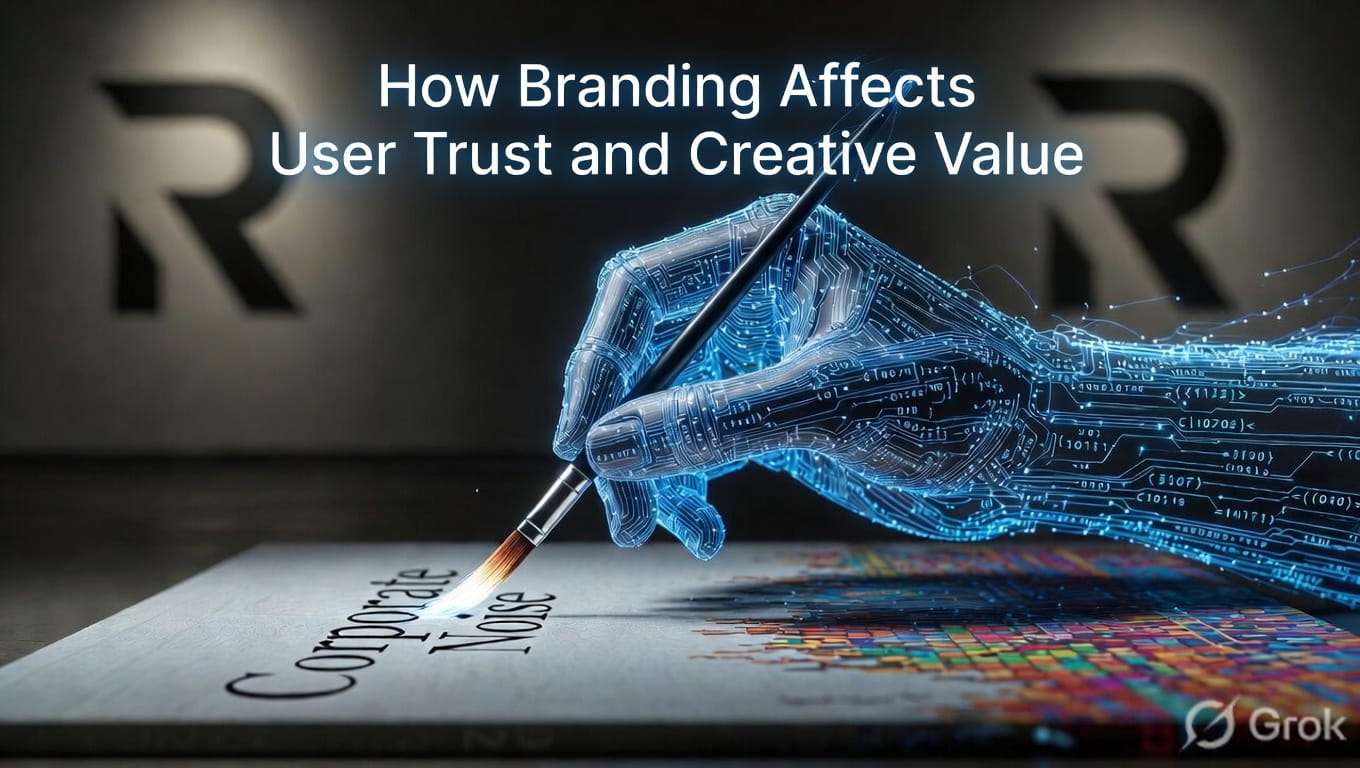
This 1000-word exploration dives into the Psychology of Digital Branding, explaining why watermarks act as “Visual Noise” and how tools like ReachBrick are helping creators reclaim the psychological and commercial authority of their art.
The “Third-Party” Intrusion: Why Watermarks Break the Creative Bond
When a creator spends hours refining a prompt to generate a specific aesthetic, they develop a psychological bond with the output. In their mind, it is their unique creation.
The Psychological Distraction
The moment a watermark appears, it introduces a “Third-Party” into the creative relationship. Psychologically, the watermark acts as a permanent reminder that you are “renting” the creativity from a corporation. This creates a sense of Creative Alienation.
According to neuro-aesthetic studies, the human eye is naturally drawn to high-contrast edges and text. A watermark, usually placed in the corner, creates a “Visual Anchor” that pulls the viewer’s attention away from the art’s focal point. This constant distraction prevents the viewer from experiencing “Immersion” or “Flow,” which are critical for high-end digital art.
The “Cheapness” Bias: Perception of Value in 2026
In the professional market of 2026, an image with an AI watermark is psychologically categorized as “Low-Effort Content.” ### Perceived Effort vs. Perceived Value Even if your prompt engineering was complex and required expert knowledge, a watermark signals to the client that the image was “Easy” to make. It suggests that the AI did all the work and you simply pressed a button.
By removing the watermark through [Internal Link: Reverse Alpha Blending], you are psychologically repositioning the asset. A clean image signals:
- Exclusivity: It looks like a bespoke commission rather than a mass-produced output.
- Professionalism: It shows that the creator has the tools and the “Eye” to polish a raw output into a final product.
- Ownership: A clean canvas psychologically transfers the authority from the AI provider to the Human Artist.
Trust and Transparency: The Paradox of Labeling
Tech companies argue that watermarks increase “Trust” by telling the viewer what is real and what is AI. However, in 2026, we are seeing the Transparency Paradox.
The Trust Gap
When a viewer sees a watermark, they don’t necessarily trust the image more; they simply value the artist less. In fact, many users report that watermarks feel like “Digital Graffiti”—an unwanted mark on a clean wall.
At ReachBrick, we believe that trust should be built through Metadata Disclosure (C2PA), not visual vandalism. Psychologically, a viewer is more likely to trust an artist who provides a clean image with a “Certificate of Authenticity” in the file info, rather than an artist who leaves an ugly corporate stamp on the art itself.
The “Bespoke” vs. “Generic” Conflict
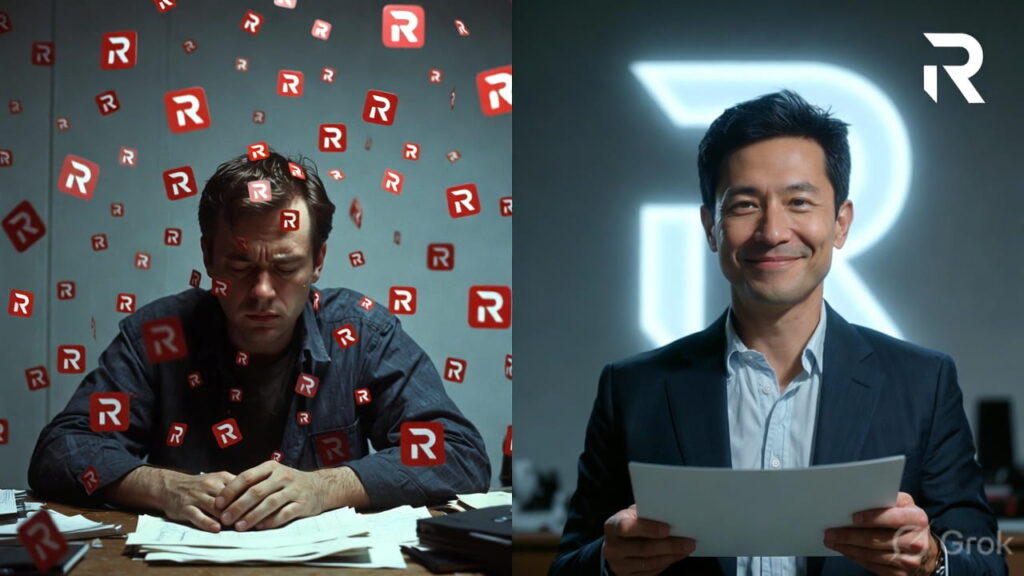
Global brands like Apple, Nike, and Tesla spend billions ensuring that every pixel of their marketing is “On Brand.” A watermark from a model provider (like Sora or Midjourney) is a Competing Brand.
Brand Dilution
If you are building a [Internal Link: Consistent Brand Identity], a watermark is a poison. Psychologically, it dilutes your brand’s message. Instead of the viewer thinking about your brand, they are sub-consciously thinking about the AI tool’s brand.
For high-paying clients, this is a deal-breaker. They aren’t just paying for the image; they are paying for the “Clean Space.” They want their message to be the only signal in the noise.
Reclaiming the Canvas: The ReachBrick Philosophy
The psychological relief of seeing a watermark dissolve is what we call “The Restoration High.” ### Empowering the Creator ReachBrick doesn’t just clean pixels; it restores the creator’s Sense of Agency. When you use our tool to surgically remove an intrusive logo, you are mathematically and psychologically saying: “I am the director of this vision.”
This restoration process is essential for building an [Internal Link: AI Art Portfolio] that actually lands high-paying clients. Clients in 2026 are looking for Authority Figures—artists who dominate the technology, not artists who are dominated by it.
The Future of Aesthetic Sovereignty
As we move toward 2027, the psychology of art will shift toward “Aesthetic Sovereignty.” The market will no longer tolerate “Machine-Branded” art.
We are entering an era where the highest luxury is Purity. A clean, watermark-free, high-DPI image is the gold standard of digital assets. By removing the watermark, you are not just editing an image; you are increasing its psychological “Weight” and market “Gravity.”
Conclusion: From Raw Output to Masterpiece
The psychology is clear: Watermarks devalue, distract, and dilute. They are the leftovers of an era where AI was a novelty. In 2026, AI is a professional tool, and a professional tool should never leave a mess on the final product.
Through the power of ReachBrick, you can strip away the corporate noise and let your creative vision speak for itself.
Reclaim your trust. Reclaim your value. Reclaim your canvas.